


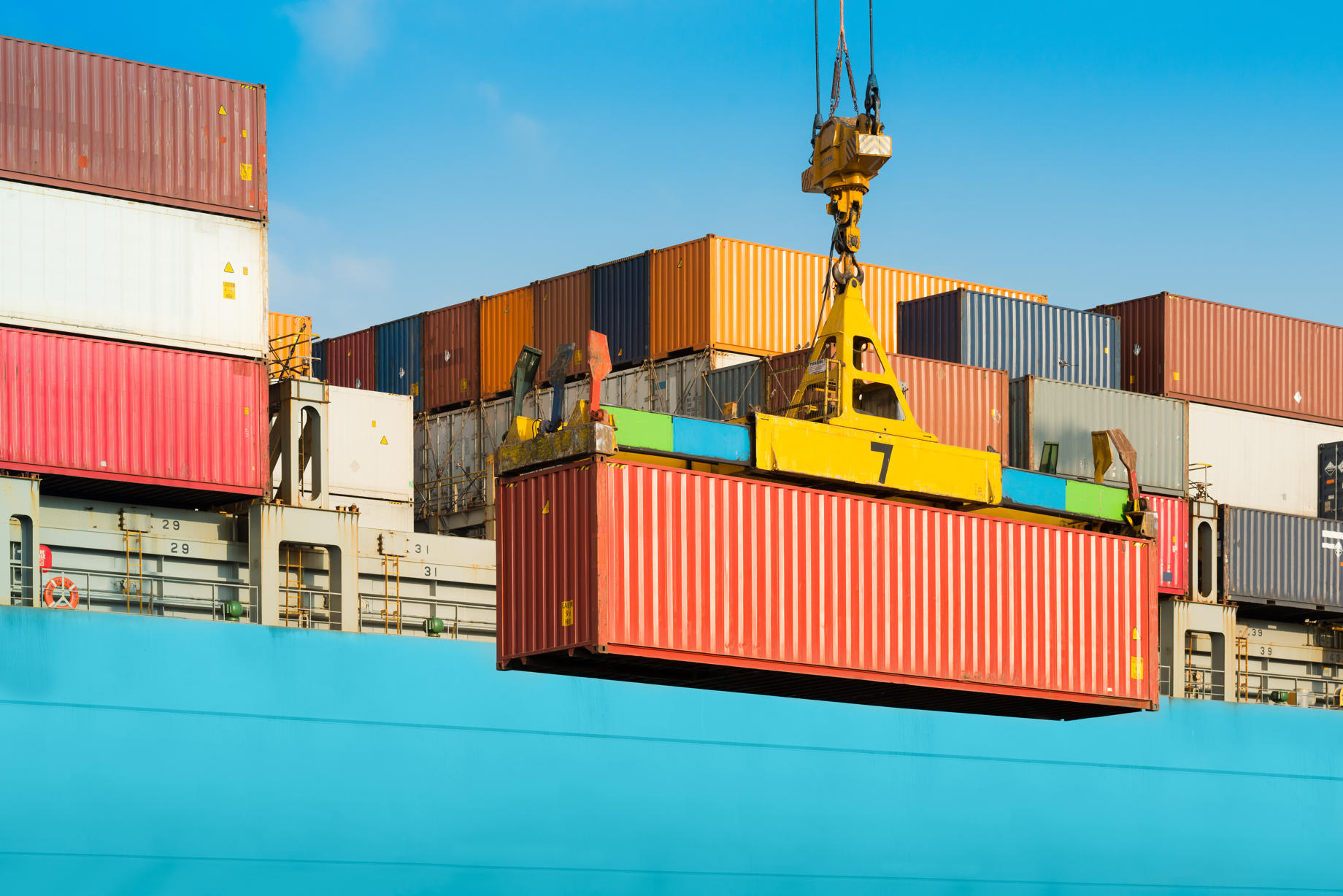
EXPORTS: STRUCTURING OPERATIONS FOR THE GLOBAL MARKET
Exporting means turning a local product into a complete international operation. It involves market analysis, pricing, compliance, logistics, documentation, and relationships with partners in different countries. When all of this is well coordinated, exports become growth with predictability. When it is not, it becomes rework, extra costs, and risk.
In Brazil, exports are formalized and controlled by specific systems and requirements, such as the Single Export Declaration in Siscomex's Single Portal, which gathers customs, administrative, commercial, financial, and logistical information for the operation and serves as the basis for customs clearance.
WHAT IS REALLY BEHIND AN EXPORT OPERATION
A well-executed export operation usually relies on three pillars:
-
1) Product knowledge
Everything starts with the product:
- Tariff classification: classifying correctly defines administrative treatment, requirements, and regulatory framing. The "Aprendendo a Exportar" (Government/ Siscomex) learning path itself places this as the first step in the process.
- International standardization: the Harmonized System is used by more than 200 countries and economies as the basis for customs tariffs and statistics.
- Destination market requirements: beyond taxes and customs, this includes technical standards, labeling, testing, and certifications. The WTO TBT Agreement exists precisely to address these barriers and the criteria for technical regulations and conformity assessment.
In other words: an "exportable" product is not just one with demand. It is one that is suited to the destination market.
-
2) Route development
A route is not just "from where to where." It is a logistics strategy decision:
- mode selection (ocean, air, road, multimodal)
- definition of timelines and shipping windows
- consolidation point, transshipment, and final destination
- operational risks and predictability
Logistics connectivity directly affects competitiveness. In the global landscape, bottlenecks and disruptions in routes and chokepoints have a real impact on costs and timelines, especially since most world trade by volume depends on maritime shipping.
-
3) International relationships
Exporting is about relationships:
- alignment with the importer (requirements, deadlines, receiving windows)
- coordination with carriers and terminals
- exchange of information and documents in the expected format
- building routines and predictability
Here, the role of the freight forwarder/cargo agent is critical: FIATA (International Federation of Freight Forwarders Associations) defines freight forwarding as facilitating international trade, ensuring cargo reaches the right place at the right time, in good condition, and at the best possible cost.
INCOTERMS AS A STRATEGIC TOOL IN EXPORT STRUCTURING
Incoterms define the exact point of delivery in an international transaction. From that point, logistical responsibilities, risk assumption, and cost allocation between exporter and importer are determined.
Depending on the chosen term, the exporter may transfer the goods at origin before international shipment, or keep responsibility until arrival in the destination country, including transport contracting, insurance, and logistics coordination. Each alternative changes the level of control over timelines, costs, and execution of the operation.
This decision impacts cash flow, exposure to transport risks, and the commercial strategy in the foreign market itself. Defining the right Incoterm requires a technical reading of the operation, the product, the destination, and the relationship between the parties. When aligned with logistics planning, the Incoterm stops being a contractual formality and begins to structure exports consistently.
DOCUMENTATION, CUSTOMS, AND COMPLIANCE
Exporting requires documentation and control throughout the chain, with special attention to:
- commercial and transport documents
- destination requirements (technical standards, labeling, certificates)
- registrations and integrations within the Brazilian government environment (DU-E/Single Portal)
In addition, the global trade facilitation agenda seeks to reduce bureaucracy and harmonize border procedures and documentation, as established in the WTO Trade Facilitation Agreement.
HOW LECEX OPERATES IN EXPORTS
Lecex operates in exports with a focus on well-coordinated execution and technical decisions that support predictability.
Our work includes:
- route development and logistics solution design (mode, timelines, consolidation, and risks)
- product knowledge applied to the operation, supporting the organization of information and requirements that sustain exports (including classification and market requirements)
- guidance in defining Incoterms, aligning responsibilities and costs with the commercial strategy
- management of documentary flow and operational milestones, connecting exporter, importer, and logistics stakeholders
- international relationship management in practice, with coordination between partners and points in the chain to reduce noise, rework, and unforeseen issues
- interface with foreign trade processes and requirements, with a focus on compliance and operational flow
The result is a more organized export operation, with less improvisation and more control over timeline, cost, and risk.